The Youth Olympic Games are a beacon for young athletes worldwide. They offer a unique platform for competition and growth.
Established to inspire and promote Olympic values, these games are more than just sports events. They are a celebration of youth and potential.
Young athletes, aged 15-18, gather to compete and learn. The games provide a stepping stone to future Olympic success.
Since their inception in 2010, the Youth Olympics have evolved. They alternate between summer and winter editions every four years.
The Summer Youth Olympics feature a wide array of sports. They mirror the traditional Olympic Games in diversity and spirit.
The upcoming Youth Olympic Games 2026 in Dakar, Senegal, promise to be historic. It will be the first time the event is held in Africa.
Beyond competition, the games emphasize cultural exchange and education. Athletes engage in workshops on personal development and life skills.
The Youth Olympic Games impact athletes profoundly. They foster international friendships and promote global unity through sports.
What Are the Youth Olympic Games?
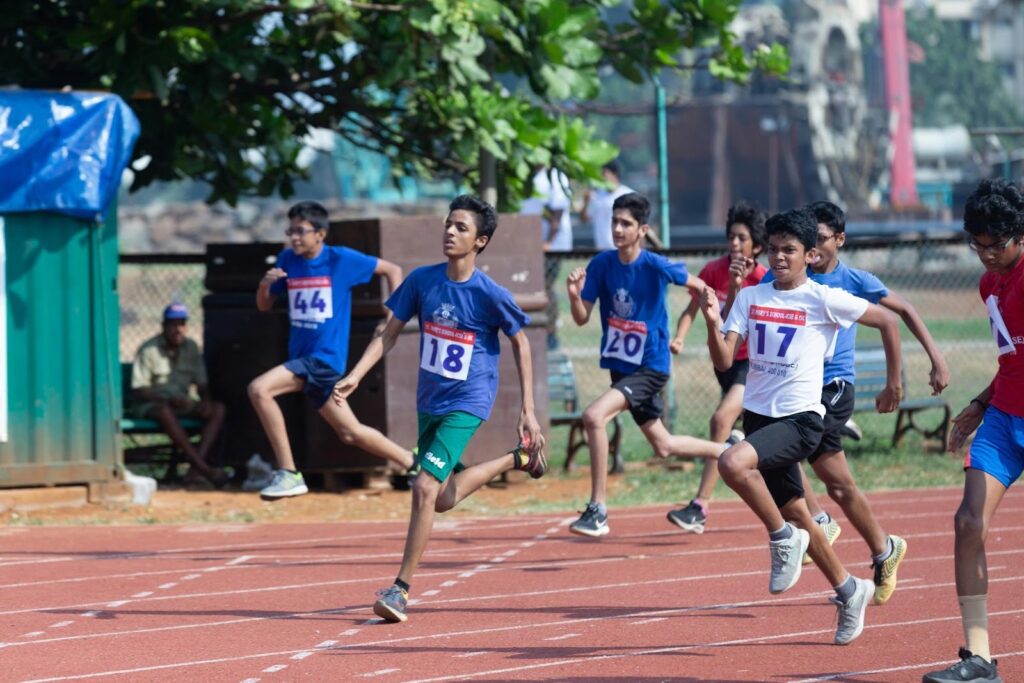
The Youth Olympic Games (YOG) stand as a testament to fostering athletic talent in young individuals. These games focus on athletes aged 15-18, providing them an international platform to showcase their skills.
In contrast to traditional Olympics, the YOG emphasizes learning, cultural interchange, and personal growth. Through these games, young athletes experience the Olympic spirit while embracing diverse cultures.
Key components of the Youth Olympic Games include:
- Competition at an international level
- Workshops on personal and skill development
- Cultural exchanges and friendship-building activities
The games aim to inspire young people to pursue sports, promoting a healthier lifestyle and the values of fair play and excellence. They empower athletes not just to win, but to grow personally and professionally.
The Summer Youth Olympics, along with the winter edition, alternate every four years, adding excitement and global engagement. They push young talents towards the next steps in their sports careers, often highlighting future Olympic stars.
The Youth Olympics serve as a distinct avenue to nurture both athletic prowess and holistic growth, leaving a lasting impact on all who participate.
History of the Youth Olympic Games –
The Youth Olympic Games originated as an initiative of the International Olympic Committee (IOC). They were first conceived to bring young athletes together in a spirit of peace and friendship. The inaugural event took place in Singapore in 2010, marking the beginning of a new era in youth sports.
Over the years, the YOG has expanded in scope and scale, gaining popularity and influence. Each edition has introduced new sports and formats, aiming to reflect the dynamic nature of youth culture. This constant evolution helps maintain the games’ relevance and appeal.
The games have been held every four years, alternating between summer and winter editions, similarly to the senior Olympics. Notably, the 4th Youth Olympic Games took place in Buenos Aires in 2018, showcasing innovative sports events and cultural initiatives.
Key milestones in the evolution of the YOG include:
- Launch in 2010 in Singapore
- Introduction of educational and cultural programs
- Emphasis on gender equality and innovation
These milestones demonstrate how the YOG has matured into a significant global sports event, impacting the lives of numerous young athletes.
Structure and Format: Summer and Winter Youth Olympics –
The Youth Olympic Games are held in two distinct formats: the Summer Youth Olympics and the Winter Youth Olympics. Each format showcases a diverse range of sports, replicating the structure of the senior Olympic Games. This dual format allows young athletes to compete in climates and settings best suited to their sports’ requirements.
The Summer Youth Olympics feature traditional Olympic sports alongside new and innovative events. On the other hand, the Winter edition includes popular winter sports, encouraging participation from colder regions. Each edition serves as a platform to introduce future generations to the excitement and diversity of international competition.
Key structural elements of the YOG include:
- Multisport events with varied disciplines
- Participants aged 15-18, promoting youth involvement
- Integration of cultural and educational components
These elements ensure that both Summer and Winter editions offer rich experiences beyond mere sports competition, fostering personal growth and international camaraderie.
The Role of the Youth Olympic Games in Athlete Development –
The Youth Olympic Games (YOG) play a crucial role in nurturing young talents. They provide a unique platform for athletes aged 15-18 to shine. Competing at such a stage allows athletes to gauge their skills against international peers.
Participation in the YOG helps athletes gain invaluable experience. They learn to handle pressure and develop resilience. These experiences prepare them for future international competitions.
Moreover, the YOG emphasizes holistic athlete development. They offer workshops and sessions on personal growth. Young athletes learn life skills beyond sports, like nutrition and mental wellness.
Through the YOG, athletes build global connections. They interact with peers from diverse backgrounds. These interactions foster a sense of community and friendship.
The games also serve as a stepping stone to elite sports. Many YOG participants progress to senior Olympic levels. This progression highlights the event’s effectiveness in athlete development.
Key aspects of the YOG’s role in development include:
- Exposure to high-level competition
- Workshops on personal and skill development
- Networking opportunities for future collaboration
The Youth Olympic Games truly shape young athletes, equipping them with the necessary tools for success.
Educational and Cultural Impact on Young Athletes –
The Youth Olympic Games (YOG) extend beyond mere competition. They provide a rich educational platform for young athletes. Through various programs, participants learn essential life skills.
Cultural exchange is a cornerstone of the YOG experience. Athletes from different countries engage in activities promoting global understanding. These interactions break down cultural barriers, fostering respect and friendship.
Educational workshops are integral to the games. They cover vital topics such as nutrition and mental health. Such programs ensure athletes leave with more than just athletic skills.
The YOG also highlights the importance of education alongside sports. This balance is crucial for holistic development. Athletes are encouraged to pursue knowledge beyond their sporting endeavors.
Key educational and cultural elements include:
- Workshops on health and wellness
- Programs promoting cultural understanding
- Activities fostering global friendships
Through these initiatives, the YOG leaves a lasting educational and cultural imprint on participants, enriching their lives far beyond the sports arena.
Pathway to Elite Sports: From Youth Olympics to the Olympic Games –
The Youth Olympic Games serve as a crucial stepping stone for young athletes. Many competitors dream of advancing to the Olympic Games. The YOG provides a platform to showcase their skills on a global stage.
Participation in the YOG is often the first taste of international competition for many athletes. It offers invaluable experience in handling pressure and expectations. This prepares them for the rigors of elite sports.
Several athletes have successfully transitioned from youth to senior levels. Their journey often begins at the YOG, building confidence and exposure. This path highlights the importance of the YOG in an athlete’s career.
Key benefits of participating in the YOG include:
- Exposure to international competition
- Development of competitive skills
- Experience in managing media attention
By fostering talent and promoting excellence, the YOG play a significant role in the careers of future Olympians. This unique platform nurtures promising athletes, helping them achieve their Olympic dreams.
Promoting Olympic Values: Fair Play, Respect, and Friendship –
The Youth Olympic Games are a beacon for promoting key Olympic values. Fair play, respect, and friendship underpin the spirit of these games. Young athletes learn to value ethical conduct and camaraderie above winning.
Fair play is emphasized in every sport and activity. Athletes are encouraged to compete with integrity. This focus instills a lifelong respect for the rules and their fellow competitors.
The YOG also fosters an environment where athletes from diverse cultures connect. This leads to friendships that transcend borders, promoting global unity. The values instilled at the YOG shape athletes both on and off the field.
Key values promoted by the YOG include:
- Fair play and sportsmanship
- Mutual respect among athletes
- Building international friendships
Athletes return home with an enriched perspective on sports and life. They carry forward these vital lessons, helping to inspire others in their communities.
Gender Equality, Diversity, and Inclusion at the Youth Olympic Games –
The Youth Olympic Games set a high standard for gender equality. The event ensures equal representation of male and female athletes. This commitment promotes balanced opportunities for all young competitors.
Diversity and inclusion are at the heart of the YOG’s philosophy. Athletes from every corner of the world participate, reflecting rich cultural diversity. This inclusivity helps break down barriers and fosters mutual understanding.
The games also encourage participation from varied backgrounds, promoting access for all. This policy helps identify talent from regions often overlooked. It serves as a powerful message of unity and opportunity.
Key aspects of gender equality, diversity, and inclusion at the YOG include:
- Equal participation for male and female athletes
- Representation from diverse nations and cultures
- Encouragement of access for underrepresented regions
These practices contribute to a vibrant, inclusive atmosphere, leaving a positive impact on international sports.
Innovation and New Sports at the Youth Olympics –
The Youth Olympic Games serve as a testing ground for innovative sports formats. This spirit of innovation introduces new sports to a global audience. By showcasing emerging disciplines, the games bring fresh excitement to young athletes and fans.
The inclusion of new sports reflects a commitment to evolving with youth interests. These additions keep the games relevant and engaging. They also help in attracting a younger audience to the Olympic movement.
Significant innovations and new sports introduced at the Youth Olympics include:
- Introduction of sports like skateboarding and 3×3 basketball
- Use of technology for enhanced athlete performance
- Innovative event formats appealing to young audiences
By embracing change, the Youth Olympics ensure the celebration of diverse and contemporary sports.
The Impact on Host Cities and Global Sports Community –
Host cities of the Youth Olympic Games experience significant transformations. These events boost local economies by attracting tourism and investments. The games also drive infrastructure improvements that benefit residents long after the event concludes.
The global sports community is enriched by the Youth Olympics. The event strengthens international relationships and fosters a sense of unity. Through sports, young athletes from different nations build mutual respect and understanding.
Key impacts on host cities and the global community include:
- Economic stimulation from increased tourism
- Long-term infrastructure development
- Enhanced global awareness of host cities
The positive influence of the Youth Olympics extends beyond the games. It leads to sustained community benefits and strengthened global sporting ties.
Challenges and Criticisms of the Youth Olympic Games –
Despite their benefits, the Youth Olympic Games face several criticisms. Some argue that the event’s financial burden on host cities is significant. Resources could be better used for local youth development programs rather than hosting an international event.
Other criticisms focus on the competitive nature of the games. Young athletes may experience undue stress and pressure. Critics question whether this aligns with the event’s mission to promote personal growth and education.
Key challenges include:
- Financial burdens on host cities
- Pressure on young athletes
- Questions about the impact on youth sports development
Addressing these concerns is crucial for the future success of the Youth Olympics.
Looking Ahead: Youth Olympic Games 2026 and the Future –
The Youth Olympic Games 2026 mark a historic milestone. For the first time, the event will be held in Africa, specifically in Dakar, Senegal. This move aims to foster a new wave of global involvement and enthusiasm.
By bringing the games to a new continent, the event hopes to strengthen the Olympic movement. The focus is on embracing diversity and innovation. The 2026 edition promises several anticipated advances:
- Introduction of unique sports and formats
- Enhanced focus on sustainability
- Greater engagement with youth communities
As excitement builds for the games in 2026, the vision for the Youth Olympic Games remains clear. It seeks to inspire young athletes worldwide through sports, education, and cultural unity. With the upcoming event, expectations are set high for lasting impacts on both athletes and their communities.
Read Also – Impact of the Olympics on Sports Development in Rural India
Conclusion: Lasting Legacy of the Youth Olympic Games
The Youth Olympic Games leave a profound impact on young athletes worldwide. They offer more than just a stage for competition. They create opportunities for growth and development.
Young athletes gain not only skills but memories and friendships that last a lifetime. The games emphasize values that are pivotal in sports and beyond. These values include fair play, respect, and inclusivity.
As the Youth Olympics continue to evolve, their influence grows, inspiring future generations. This unique fusion of sports, culture, and education fosters leaders of tomorrow. The Youth Olympic Games remain a beacon of hope and excellence for young athletes globally.