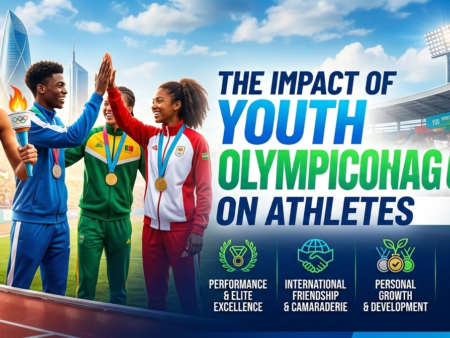
The 2026 Summer Youth Olympic Games (YOG) represent a groundbreaking chapter in international sports history. For the first time ever, the Youth Olympic Games will be hosted on African soil, marking a transformative moment not only for the Olympic Movement but also for youth development worldwide. Scheduled to take place in Dakar, Senegal, this edition promises innovation, inclusion, and inspiration for young athletes across the globe.
In this comprehensive guide, we explore everything you need to know about the 2026 Summer Youth Olympic Games — from sports and qualification to legacy, sustainability, and global impact.
What Are the Youth Olympic Games (YOG)?
The Youth Olympic Games (YOG) are an international multi-sport event organized by the International Olympic Committee (IOC). Created to inspire young athletes aged 14 to 18, the YOG combines elite-level competition with cultural exchange and educational programs.
Unlike the traditional Olympic Games, the Youth Olympic Games focus equally on sport, education, and culture. The event promotes Olympic values such as excellence, friendship, and respect while fostering global unity among young participants.
Why the 2026 Summer Youth Olympic Games Are Historically Significant
The 2026 Summer Youth Olympic Games in Dakar mark several historic firsts:
- 🥇 First Olympic event hosted in Africa
- 🌍 First Youth Olympic Games held on the African continent
- 👩🦱 Continued emphasis on gender equality in competition
- 🌱 A sustainability-driven sporting model
Hosting the Games in Dakar highlights the IOC’s commitment to expanding Olympic opportunities to emerging regions and strengthening youth sports infrastructure globally.
Host City Spotlight: Dakar, Senegal
Dakar, the vibrant capital city of Senegal, will serve as the heart of the 2026 Summer Youth Olympic Games. Known for its rich culture, coastal beauty, and youthful population, Dakar provides a dynamic backdrop for this global sporting celebration.
Key Competition Zones
The Games will be hosted across three primary hubs:
- Dakar
- Diamniadio
- Saly
Diamniadio, in particular, has been developed as a modern urban center with world-class sporting infrastructure. New facilities and upgraded venues are designed to leave a lasting legacy for Senegalese youth.
Governance and Organization
The 2026 YOG are overseen by the International Olympic Committee in partnership with the Dakar 2026 Organizing Committee. The collaboration ensures global standards in competition management, athlete welfare, and sustainability practices.
Key focus areas include:
- Cost-effective event planning
- Use of existing and temporary venues
- Community engagement
- Long-term sports development in Africa
Sports Program at the 2026 Summer Youth Olympic Games
The sports program at the 2026 Summer Youth Olympic Games will feature a diverse lineup of Olympic disciplines tailored to youth competition.
Core Sports Categories
The event will include sports from the Summer Olympic program, such as:
- Athletics
- Swimming
- Gymnastics
- Basketball (including 3×3 format)
- Football (Futsal format)
- Wrestling
- Judo
- Tennis
Innovative and Youth-Focused Events
The Youth Olympic Games are known for innovation. Mixed-gender team events and urban sports formats will play a major role in Dakar 2026. These formats promote inclusion, teamwork, and gender balance.
Athlete Qualification and Participation
The 2026 Summer Youth Olympic Games will bring together approximately 4,000 athletes from over 200 National Olympic Committees (NOCs).
Age Criteria
Athletes must be between 14 and 18 years old, depending on sport-specific eligibility requirements.
Qualification Pathways
Athletes qualify through:
- Continental qualification tournaments
- World ranking systems
- Universality places for developing nations
This system ensures global representation and equal opportunity.
Athlete Experience Beyond Competition
The Youth Olympic Games are not just about medals. They provide a holistic athlete experience.
Athlete Village
Participants will stay in a purpose-built Youth Olympic Village designed to encourage cultural exchange and interaction.
Education and Cultural Program (ECP)
A key feature of the YOG is the Education and Cultural Program, which includes:
- Workshops on mental health and well-being
- Anti-doping education
- Career planning sessions
- Sustainability awareness activities
This approach prepares young athletes for life beyond sport.
Sustainability and Environmental Responsibility
Sustainability is central to the 2026 Summer Youth Olympic Games strategy.
Eco-Friendly Initiatives
- Reduced carbon footprint
- Use of renewable energy sources
- Temporary and modular venues
- Waste reduction programs
The goal is to align with global climate objectives while setting a benchmark for future youth sporting events.
Economic and Social Impact on Senegal
Hosting the 2026 Summer Youth Olympic Games is expected to generate substantial economic and social benefits.
Economic Benefits
- Job creation in construction and tourism
- Increased international visibility
- Boost in hospitality and service sectors
Social Legacy
- Improved sports infrastructure
- Youth empowerment programs
- Increased grassroots participation in sports
The Games will serve as a catalyst for long-term youth development across Senegal and Africa.
Gender Equality and Inclusivity
The IOC continues to push for gender-balanced participation, and Dakar 2026 will reflect this commitment.
- Equal athlete quotas for men and women
- Mixed-gender team competitions
- Leadership opportunities for young women in sport
This ensures the Youth Olympic Games remain progressive and inclusive.
Media, Broadcasting, and Digital Engagement
The 2026 Summer Youth Olympic Games will leverage digital platforms to connect with global youth audiences.
Youth-Centric Coverage
- Social media integration
- Athlete-generated content
- Interactive streaming platforms
The focus is on engaging younger generations through innovative storytelling and technology.
Safety, Security, and Logistics
Ensuring the safety of athletes, officials, and spectators is a top priority.
Key measures include:
- Comprehensive health protocols
- Secure athlete accommodations
- Efficient transport systems between venues
International coordination ensures global standards are maintained.
How Dakar 2026 Compares to Previous Youth Olympic Games
Since its inception in 2010, the Summer Youth Olympic Games have evolved significantly. Previous host cities demonstrated innovation in event management and youth engagement.
However, Dakar 2026 stands apart due to:
- Its historic African location
- Strong emphasis on sustainable infrastructure
- Deep community integration
This edition represents a turning point in the globalization of Olympic sport.
Long-Term Legacy of the 2026 Summer Youth Olympic Games
The legacy of Dakar 2026 extends beyond competition days.
Sports Development in Africa
The Games aim to:
- Strengthen sports academies
- Train local coaches and officials
- Inspire millions of young Africans
Global Youth Inspiration
Young athletes competing in Dakar may become future Olympic champions. The Youth Olympic platform provides exposure, confidence, and international experience.
Key Dates and Milestones
The 2026 Summer Youth Olympic Games are scheduled to take place in 2026 (official dates to be confirmed by organizers). Key milestones include:
- Qualification events worldwide
- Torch relay and cultural celebrations
- Opening and closing ceremonies showcasing Senegalese heritage
These elements combine sport with cultural celebration.
Why the 2026 Summer Youth Olympic Games Matter Globally
The importance of the 2026 Summer Youth Olympic Games goes beyond medals and records. It symbolizes:
- Global unity through youth sport
- Investment in emerging regions
- Empowerment of the next generation
By bringing the Olympic Movement to Africa for the first time, Dakar 2026 sends a powerful message of inclusion and opportunity.
Read Also – Impact of the Olympics on Sports Development in Rural India
Summary
The 2026 Summer Youth Olympic Games (YOG) in Dakar, Senegal, mark a historic and transformative moment for global sport. As the first Olympic event held in Africa, the Games emphasize youth empowerment, sustainability, cultural exchange, and international unity.
From innovative sports formats and gender equality initiatives to long-term economic and social impact, Dakar 2026 is set to redefine the Youth Olympic experience. For young athletes around the world, it is more than a competition — it is a platform for growth, inspiration, and global connection.
Frequently Asked Questions (FAQs)
1. When will the 2026 Summer Youth Olympic Games take place?
The Games are scheduled for 2026, with official dates confirmed by the organizing committee and IOC.
2. Where are the 2026 Youth Olympic Games being held?
They will be hosted in Dakar, Senegal — the first Olympic event held in Africa.
3. How many athletes will participate?
Approximately 4,000 athletes from more than 200 countries are expected to compete.
4. What age group competes in the Youth Olympic Games?
Athletes between 14 and 18 years old are eligible, depending on sport-specific rules.
5. What makes Dakar 2026 unique?
It is the first Olympic event hosted in Africa and emphasizes sustainability, gender equality, and youth development.
6. How can fans watch the 2026 Summer Youth Olympic Games?
Fans will be able to watch through official Olympic broadcasting partners and digital streaming platforms.